
FROM DR. BLOODINE
Beyond the Report: What Comes Next
A few months ago, we released the report, Educator Burnout: An Overlooked Threat to Student Success. It focused on both the individual and systemic drivers of educator overwhelm, burnout, and the impact it has on student success. The interviews that I had with educators whose voices shaped the report continue to sit with me.
It is late October now. The fresh energy of new school year has given way to the full weight of the year. Schedules are set, needs are clear, and many of you are already running on less than you started with. If that is where you are, you are not alone, and it is not a personal failing. It is a signal about the conditions we are working in.
One theme rose above the rest in the conversations we held with educators: how much everyday support matters.

None of these are luxuries. They are the conditions that give educators room to bring their knowledge, care, and creativity to students. And they are shaped by all of us: individuals, leaders, and the systems we work within.
That is what this newsletter is for. Each month you will find one practice to try, a moment to pause and reflection, policy or updates worth your attention, and a space to ask me what is on your mind.
Leading Well · One Practice This Month
Subtract One, Name One
By October, most staff do not need one more thing added to their plate. They often need proof that someone is paying attention to what is already on it. This two-part practice fits into a single staff meeting.


Why it works
Workload and recognition are two of the most consistent drivers of burnout in the research. Removing something shows staff their input changes decisions. Naming someone shows their effort registers.
Not a school leader?
Bring “Subtract One” to your team or PLC, and practice “Name One” with a colleague this week. Culture is shaped at every level.

Policy in Motion
Two Bills Worth Your Voice
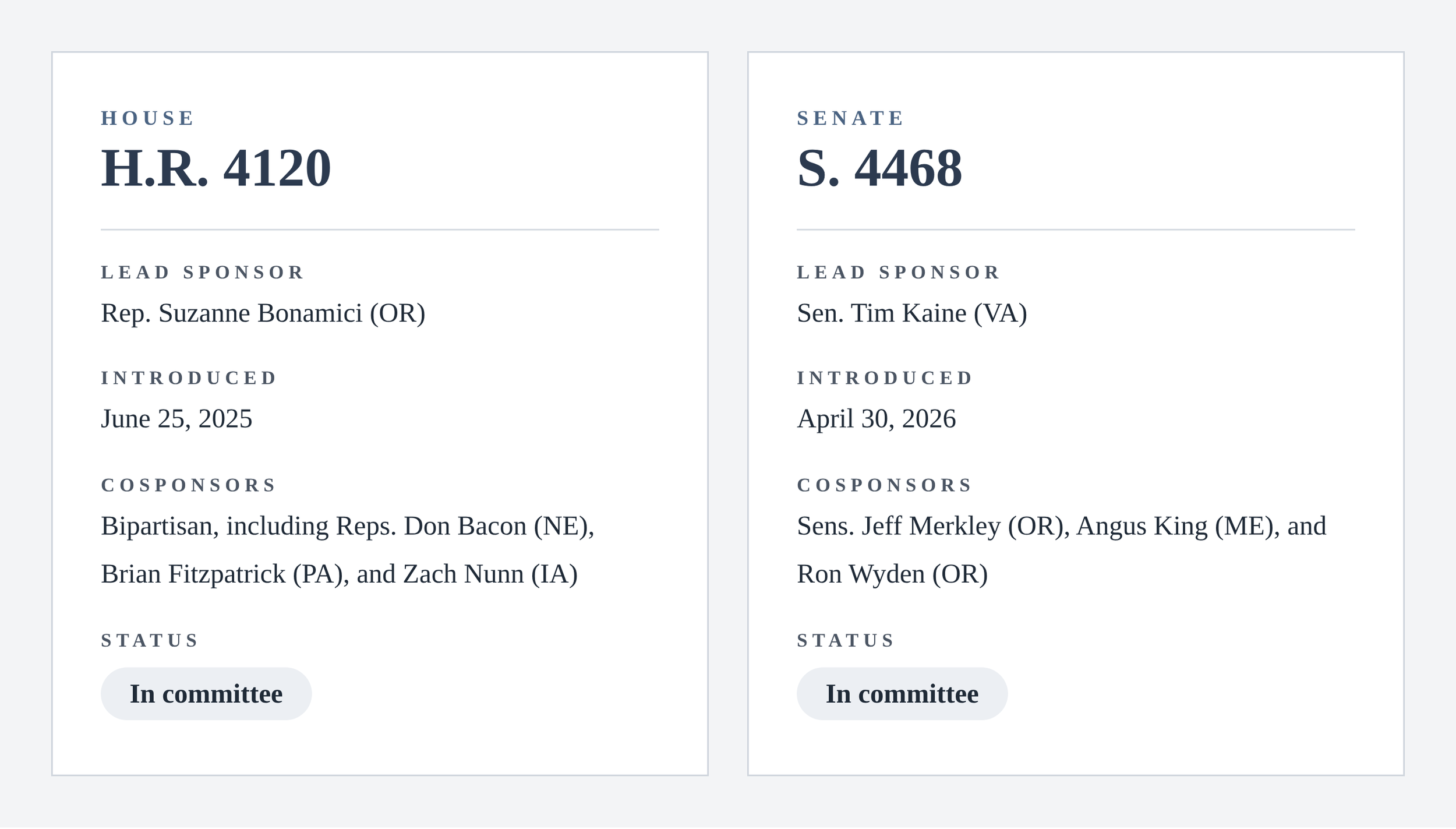
Educator wellbeing and student success rise and fall together. When the adults in a school are depleted, students feel it. The Supporting the Mental Health of Educators and Staff Act is moving in both chambers of Congress, and it would direct federal resources toward the people who keep our schools running.
What both bills would do
✓ Fund grants for schools and districts
✓ Expand access to mental health professionals
✓ Support peer-support programs for staff
✓ Strengthen mental health and suicide prevention
✓ Build wellbeing into educator preparation and PD
✓ Launch a national awareness initiative and federal research
Supporters of the Senate bill include the National Association of Elementary School Principals, the National Association of Secondary School Principals, the American Federation of Teachers, the American Psychological Association, and NAMI.
AN HONEST NOTE
Neither bill requires changes to the working conditions that drive burnout in the first place: workload, staffing, time, and voice in decisions. Support resources matter, and educators deserve them. Lasting change also means redesigning the conditions themselves. That is the work we will keep exploring together.
How to add your voice in 10 minutes
❶ Find your members of Congress. Enter your ZIP code at house.gov for your Representative and at senate.gov for your two Senators. Or call the Capitol switchboard at (202) 224-3121 and ask to be connected.
❷ Make the right ask. Ask your Representative to cosponsor H.R. 4120 and your Senators to cosponsor S. 4468. Both bills are in committee, where more cosponsors signal support and help a bill move. If your member already cosponsors, call to say thank you.
❸ Call or use their web form. Ask for the staff member who handles education. A short, personal message is more effective than a long one.
WHAT TO SAY
“Hello, my name is [Name], and I am a constituent from [City, ZIP]. I work in education as a [role] at [school or district]. I am asking [Representative/Senator Name] to cosponsor [H.R. 4120 / S. 4468], the Supporting the Mental Health of Educators and Staff Act. Educator wellbeing and student success are connected. When the adults in our schools are supported, students benefit. This bill would expand access to mental health support, peer-support programs, and training for school staff. Will [Representative/Senator Name] cosponsor? Thank you.”
A quick tip: Reach out on your own time, from a personal phone or email. Many districts have policies about advocacy during work hours or on work devices.
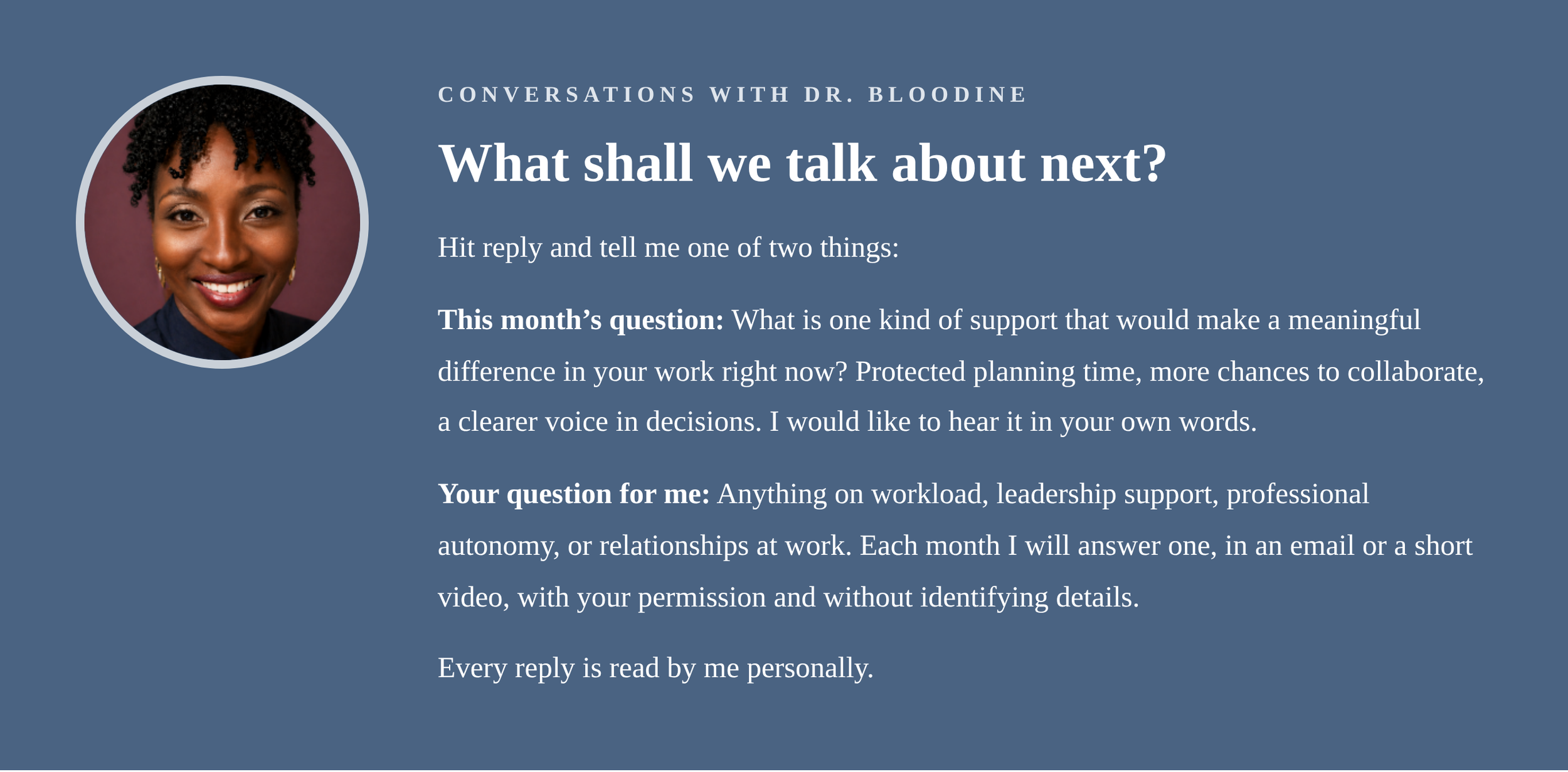
I look forward to hearing from you.
With care,
Dr. Bloodine Barthelus
Founder & CEO, Wellness Embodied
People first, schools forward.
Know a colleague who needs this? Forward it along. They can subscribe at iamwellnessembodied.com.
